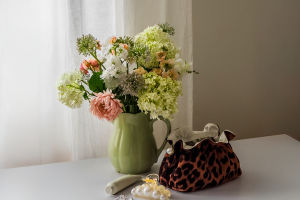
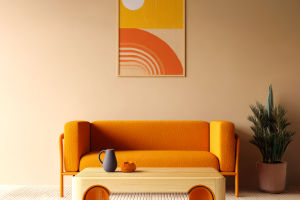
When you step into a room, the walls speak before anything else does. Their color instantly shapes the atmosphere, influences your mood, and frames every piece of furniture and décor. Whether you’re refreshing one corner of your home or planning a complete makeover, choosing the right wall color is one of the most powerful design decisions you’ll make.
Imagine entering a cozy living room wrapped in soft beige tones, or a lively kitchen glowing with an energizing shade of yellow—each color quietly guides how the space makes you feel.
Understand Your Space
Not all rooms are created equal. The size, function, and natural light of a room should influence your color choice. For instance, lighter colors can make a small room feel larger and more open, while darker shades can make a spacious room feel cozier.
Small Rooms
For smaller rooms, light tones like soft whites, pastels, or light grays can create the illusion of more space. A pale blue or mint green, for example, can bring a fresh, airy feel.
Large Rooms
If you're dealing with a larger room, don't shy away from darker shades. Deep blues, charcoals, or even bold colors like navy or forest green can add warmth and intimacy to a wide space.
Rooms with Natural Light
Rooms that get plenty of natural light can handle bold or deep colors like rich red or vibrant coral. These colors will pop and look bright, not overwhelming.
Rooms with Less Light
For rooms with minimal natural light, consider lighter shades to keep the space from feeling too dark or cramped. Soft cream, pale gray, or light taupe are excellent choices.
Consider the Mood You Want to Create
The color of your walls doesn't just affect how a room looks—it can impact how it feels. When choosing colors, think about the mood or atmosphere you want to create.
Relaxing and Calm
Cool tones like blues, greens, and soft neutrals are known for their calming effect. A bedroom painted in a muted blue or sage green can help promote relaxation and a restful night's sleep.
Energizing and Inviting
Warm tones like yellows, oranges, and reds can energize a space. If you want to create a lively atmosphere in a kitchen or home office, these vibrant colors can be the perfect choice.
Cozy and Intimate
Rich, deep tones like burgundy, chocolate brown, and dark purple create a sense of intimacy and warmth. These shades work well in living rooms or dining areas where you entertain guests.
Clean and Fresh
Whites and light neutrals offer a crisp, clean look and can make a room feel larger. These colors are great in bathrooms or kitchens to create a fresh and spacious vibe.
Test Before Committing
Choosing the right color can be tricky—what looks good on a paint chip may not always translate the same way in your home. The lighting in your room, the furniture, and even the surrounding decor can change the way the color looks.
Tip: Before committing to a whole room, paint a small section of the wall and live with it for a few days. Observe how it looks at different times of the day and in different light conditions.
Complement Your Decor
Your furniture, accessories, and artwork should work in harmony with your wall color. Think about the overall style of the room when choosing a paint color.
Neutral Decor
If your room already has bold or colorful furniture, you might want to keep the walls neutral. Shades like beige, gray, or off-white allow the furniture and decor to take center stage.
Colorful Furniture
On the other hand, if you're working with neutral furniture, you can have fun with wall colors! Bold and bright colors can add personality and dimension to a room. Think of pairing a neutral sofa with a vibrant green wall or a dark wood table with light blue walls.
Complementary Color Schemes
If you're feeling adventurous, experiment with complementary colors—colors that are opposite each other on the color wheel. For example, pair yellow with purple, or blue with orange. This contrast adds visual excitement.
Don't Forget the Finish
The finish of your paint can dramatically affect the final look of your walls. From matte to high-gloss, each finish has its pros and cons.
Matte or Flat Finish
Matte finishes are ideal for rooms with lots of foot traffic or imperfect walls since they help hide imperfections. These finishes also create a more subdued, classic look.
Satin or Eggshell
For a subtle sheen, satin or eggshell finishes offer a bit of shine without being too glossy. These finishes are great for living rooms, bedrooms, or hallways.
Semi-Gloss or High Gloss
For areas like kitchens and bathrooms, or trim and doors, semi-gloss or high-gloss finishes are perfect. They're easier to clean and reflect more light, making them ideal for spaces where spills or fingerprints are common.
Final Thoughts
Choosing the right wall color can transform your home and create the perfect ambiance for any room. Whether you're looking for a relaxing sanctuary, an energizing space, or a cozy retreat, the right shade will make all the difference. Take the time to experiment, test, and think about the mood you want to evoke in each room. Remember, color is not just a design element—it's a tool to express your style and personality. Happy decorating!