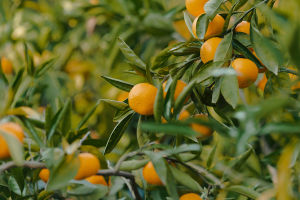
Growing pomegranates at home can be surprisingly rewarding. We’re excited to share practical tips and step-by-step guidance so that anyone can cultivate healthy trees, enjoy abundant flowers, and harvest juicy, vibrant fruits.
With the right care and attention to sunlight, water, and pruning, growing pomegranates can become a fun and satisfying experience for all of us.
Choosing the Right Planting Time and Location
We can plant pomegranates anytime from late autumn, after the leaves have fallen, until early spring, before new buds appear. For garden planting, choose a sunny spot that is sheltered from strong winds and slightly elevated to avoid waterlogging. The soil should be loose, fertile, and well-draining. For pots, we mix leaf mold, garden soil, and river sand, adding a proper amount of well-decomposed organic fertilizer.
When planting, we keep the soil around the roots intact, trim the top part moderately, water thoroughly, and place the plant in a shaded area until it sprouts. Once the tree establishes, we move it to a sunny, well-ventilated location.
The Importance of Light and Temperature
Sunlight and temperature are crucial for flower bud formation. During the growing season, pomegranates require full sun, and the more sunlight they get, the more vibrant and abundant the flowers. A sunny, dry, and wind-sheltered environment promotes flower bud formation and blooming. Without enough light, trees may grow only leaves without flowers, reducing ornamental and fruiting value. Ideal temperatures are 15–20°C for growth, and winter temperatures should not drop below -18°C to avoid frost damage.
Watering and Fertilization
For garden trees, we apply a heavy layer of organic fertilizer annually, while potted trees need repotting with added fertilizer every 1–2 years. During the growing season, we fertilize 3–5 times and maintain loose soil by weeding regularly. Keeping soil consistently moist is crucial, but we must avoid both drought and waterlogging to protect the roots and ensure steady growth.
Pruning Practices
Pomegranates require annual pruning. We can shape them as a single-stemmed tree with a rounded crown, a multi-stemmed bush, or a dwarf flat-topped tree. During the fruiting period, we pinch or trim vigorous shoots in summer and perform short pruning in autumn to prevent secondary or tertiary branching at the top. This preserves nutrients for the formation of fruit-bearing branches for the following year. Root sprouts should also be removed promptly.
Winter Protection
In colder regions, we move pomegranates into a cold room or storage room to prevent frost damage. Ensuring proper insulation and monitoring temperatures can help the trees survive harsh winters and remain productive in the next season.
Harvesting Guidelines
Pomegranates can bloom and gives fruit three times a year. Typically, the first and second flowers produce the best fruit. Harvesting depends on the variety, fruit maturity, and climate. Indicators of ripeness include:
1. Fruit skin turns from green to yellow, or fully colored for pigmented varieties, with a glossy appearance.
2. Ridges on the fruit become visible.
3. The red or silvery white arils in the pulp are well-developed.
4. Seeds are plump, and soluble solids reach the natural concentration for the variety.
We always harvest before rainy days, as wet conditions can damage fruit. Seedlings propagated by cuttings or division take 3–4 years to give fruit, while seed-grown trees may take over 10 years.
Pest and Disease Management
We focus on pest prevention before and after fruit setting. From late April to mid-May, trees are prone to caterpillars, aphids, stink bugs, scale insects, and armyworms. After fruit set, diseases like white rot, black spots, and anthracnose can occur.
Before fruit setting, we spray diluted insecticide solutions on both sides of leaves. If pests persist, cross-application every 7–10 days is highly effective. During June–July, peach borer infestations peak, and untreated fruit can rot, with losses over 60%. We apply proper insecticides and remove nearby leaves to prevent spread. For disease control, timely summer pruning improves ventilation and sunlight, reducing disease risks. Spraying Bordeaux mixture biweekly or using recommended fungicides helps prevent or treat infections.
Ensuring Healthy Fruit Growth
To protect fruit, we follow four key steps:
1. During early growth (May–July), we water regularly, keep soil moisture stable, and mulch to promote uniform growth.
2. During the late growth stage (August–September), we stop heavy watering, drain excess water, and maintain moderate soil moisture to prevent cracking.
3. We use protective fruit bags to prevent pests and maintain proper humidity for uniform growth.
4. Harvest fully mature fruits promptly to avoid cracking caused by excess water absorption.
Wrapping Up Our Pomegranate Tips
Lykkers, growing pomegranates can seem challenging at first, but with careful attention to planting, sunlight, water, pruning, and pest management, we can enjoy a bountiful harvest. Following these detailed steps ensures healthy trees, vibrant flowers, and juicy fruits season after season. Let’s embrace the joy of cultivating pomegranates together and savor the rewards of our efforts!