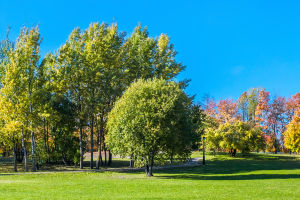
Next time you're walking down a busy street, take a moment to look around. Amidst the concrete and steel, you'll likely spot a few trees, shrubs, or flower beds. These plants do more than just brighten up the landscape—they play a critical role in the health and functioning of urban ecosystems.
In a world where cities are expanding and nature seems to be shrinking, urban plants are not only vital to the environment, they also have a direct impact on our daily lives. Plants in urban ecosystems provide many benefits, from improving air quality to providing spaces for relaxation and mental rejuvenation. They are essential players in making cities more livable and sustainable.
How Plants Benefit Urban Ecosystems?
Urban environments can be tough for plants to thrive in. They have to cope with pollution, limited space, and unpredictable weather. However, these plants have adapted to offer a wide range of benefits that make city living more enjoyable and healthier. Here's how plants make a big impact on urban ecosystems:
1. Improving Air Quality
One of the most well-known benefits of urban plants is their ability to clean the air. Plants act as natural air purifiers, absorbing carbon dioxide and releasing oxygen during photosynthesis. Trees, in particular, are great at capturing particulate matter—tiny particles of pollution that can affect our lungs. For instance, street trees like oaks and maples trap dust, soot, and other pollutants, making the air cleaner for everyone. Plants also help reduce the urban heat island effect by providing shade and releasing moisture into the air, which cools down the surrounding area.
2. Enhancing Mental and Physical Health
It's no secret that spending time in nature has mental health benefits. Jay Maddock, experimental psychologist and director of the Center for Health & Nature at Texas A&M University, says that spending time in natural environments — including parks and community gardens — helps reduce stress and improve emotional well-being, noting that exposure to greenery is linked with lower blood pressure, strengthened immune responses, and reduced symptoms of anxiety and depression. Maddock explains that “nature seemed to be the solution for a lot of the stress people were dealing with,” emphasizing that even short time outdoors can positively affect both body and mind.
3. Supporting Biodiversity
Urban areas, while not as rich in biodiversity as natural habitats, still support a surprising variety of plant and animal species. Plants in urban ecosystems create habitats for birds, insects, and small mammals. For example, urban gardens and green roofs can provide food and shelter for pollinators like bees and butterflies, which are essential for maintaining biodiversity. In fact, even small patches of green space, such as tree-lined streets or flower beds, can support dozens of different species, helping to preserve ecological balance.
Types of Urban Plants That Make a Difference
Not all plants are equally suited for urban environments, and different plants provide different benefits. Some plants are better at cleaning the air, while others thrive in urban heat or offer greater biodiversity. Here are a few types of plants that make a significant impact in cities:
1. Trees
Trees are the giants of urban ecosystems. They provide shade, reduce energy costs by cooling buildings, and improve air quality. Common urban trees like oaks, maples, and street-friendly species like the London plane tree are especially good at filtering pollutants. They can be planted along streets or in public parks to maximize their environmental benefits.
2. Shrubs and Groundcover Plants
Shrubs like lilacs, roses, or junipers offer excellent wildlife habitats and contribute to aesthetic beauty in urban gardens. Groundcover plants, such as ivy, moss, or clover, are used to reduce soil erosion, maintain moisture in the ground, and prevent weeds. These plants are low-maintenance and can cover large areas, providing an attractive green landscape even in harsh environments.
3. Native Plants
Native plants are ideally suited for urban environments because they are adapted to the local climate and soil conditions. Plants like wildflowers, native grasses, and indigenous trees don't require excessive watering or chemical treatments, making them an eco-friendly option. By using native plants, cities can help conserve water and reduce the need for chemical fertilizers and pesticides.
4. Green Roofs and Vertical Gardens
In densely populated cities, where space is limited, green roofs and vertical gardens are becoming increasingly popular. These plants not only help to insulate buildings and manage stormwater, but they also provide a small haven for birds and insects. Rooftop gardens with plants like succulents and grasses can contribute to cleaner air and provide a new way for people to connect with nature.
Practical Steps for Incorporating More Plants into Cities
If you're a city dweller or a gardener, there are several ways to incorporate more plants into urban spaces, whether you're working with a small apartment or a larger community garden. Here are some practical steps to improve the presence of plants in urban environments:
1. Planting Trees and Shrubs in Public Spaces
Cities can designate areas for planting trees along streets or in parks. These trees can help reduce air pollution, cool the environment, and increase biodiversity. If you're a local resident, consider getting involved in tree-planting initiatives or advocating for more green spaces in your neighborhood.
2. Creating Green Roofs and Walls
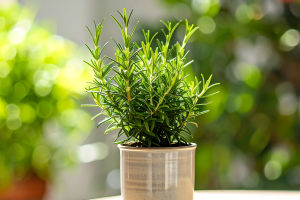
If you live in an apartment or have a building with flat roofs, consider installing a green roof or vertical garden. These structures can be great for improving air quality, reducing energy costs, and supporting local wildlife. Even small balcony plants, like herbs or climbing vines, can make a significant difference.
3. Supporting Urban Agriculture
Community gardens, urban farms, and rooftop gardens are excellent ways to grow food and green spaces in the heart of cities. These spaces promote local food production, reduce carbon footprints, and bring communities together. If you have the space, try starting a small vegetable or herb garden at home!
The Takeaway: Plants as Urban Allies
Next time you walk through a city park or sit under the shade of a tree, think about the quiet work these plants are doing. They're not just beautifying the space; they're improving the air, helping wildlife, and even contributing to your health. Urban plants are our natural allies, making our cities livable and sustainable. By supporting efforts to integrate more plants into city spaces, we can create greener, healthier environments for everyone.