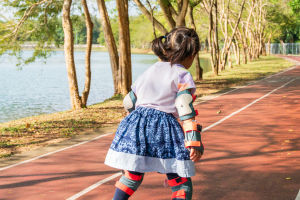
Cycling is more than a way to get from one place to another. For many people, it can become an activity that fits naturally into different stages of life.
A young rider may enjoy learning the basics, while an older rider may prefer relaxed routes and shorter outings. The pace and distance can change over time, but the simple pleasure of riding can remain.
A Sport That Grows With You
One of the biggest advantages of cycling is that it can be adjusted to match changing needs and abilities. There is no single correct way to enjoy a bicycle. Some people prefer short rides around their neighborhood, while others enjoy longer journeys on weekends.
The intensity can also vary. A relaxed ride on a flat route offers a different experience from cycling through hilly terrain. Riders can choose routes based on their energy, available time, and experience. This flexibility makes cycling easier to continue over the years. Instead of leaving the sport behind when circumstances change, riders can simply adjust how they participate.
Encourages Regular Activity
Cycling provides a straightforward way to include physical movement in a regular routine. Pedaling works several areas of the body while also requiring balance, steering, and control.
The amount of effort can be changed depending on the route and pace. Someone beginning a cycling routine might start with short, comfortable rides and gradually increase the distance as confidence improves.
There is also no need to make every ride a demanding workout. A gentle outing can still provide an opportunity to move and spend time outside. Keeping the activity enjoyable can make it easier to maintain consistently.
Enjoyable at Different Ages
Cycling can offer something different at each stage of life. Children may enjoy the independence that comes with learning to ride, while teenagers and young adults may use cycling for recreation, fitness, or exploring nearby areas.
For people with busy schedules, shorter rides can provide a convenient break from daily responsibilities. Later in life, cycling can remain enjoyable through relaxed routes, suitable equipment, and sensible pacing. The important point is that cycling does not have to look the same throughout life. The way a person rides can evolve naturally without losing the connection to the sport.
Provides Time Outdoors
A bicycle offers a simple way to experience familiar surroundings from a different perspective. Roads, parks, and local paths can feel more interesting when traveled at a slower pace. Outdoor cycling can also provide a welcome change from spending much of the day indoors. Riders can choose quiet routes, scenic paths, or familiar areas depending on their preferences.
Cycling can be social, too. Friends and family members can ride together, allowing everyone to share an activity while enjoying time outdoors. Those who prefer quiet personal time can also use a solo ride as a chance to relax and clear their mind.
Builds Skills Over Time
Cycling is a sport where experience can make a noticeable difference. Beginners learn fundamental skills such as steering, braking, balancing, and changing gears. With regular practice, these actions can become more comfortable and natural.
Riders can also learn basic bicycle maintenance. Knowing how to check tire pressure, inspect the brakes, and keep the chain clean can make it easier to care for a bicycle. Progress does not always mean riding farther or faster. Becoming more confident on a particular route, handling turns more comfortably, or learning how to prepare a bicycle properly can all represent meaningful improvement.
Choosing Comfort for Long-Term Riding
If cycling is going to remain a regular activity, comfort should be a priority. A bicycle that suits the rider's size and riding style can make a significant difference. The seat and handlebars should also be positioned appropriately so that the riding position feels comfortable.
Basic safety equipment is important as well. A properly fitted helmet, suitable footwear, and reliable lights can help riders prepare for different conditions. Route selection should match current ability. Starting with familiar and manageable paths can help build confidence before moving on to longer or more challenging routes.
Cycling has qualities that make it well suited to a lifetime of participation. It can be relaxing or challenging, social or independent, short or long. Most importantly, the activity can change as the rider's interests and circumstances change.
A lifetime sport does not need to be complicated. With a suitable bicycle, a comfortable pace, and a willingness to keep learning, cycling can remain a rewarding part of everyday life for many years.