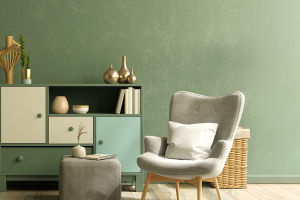
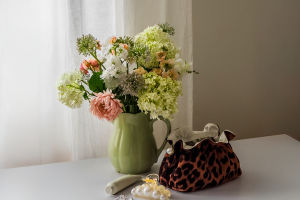
A beautiful home isn't just about stylish furniture and fresh coats of paint—it's also about bringing life into the space.
What better way to do that than with lush, vibrant houseplants? These green additions can breathe new life into any room, adding color, texture, and even a touch of nature.
Whether you're a seasoned plant lover or a beginner, choosing the right houseplants can completely transform your space. Let's explore how to incorporate gorgeous plants into your home decor!
1. Choosing the Right Plants for Your Space
The first step to creating a stunning plant-filled home is choosing plants that will thrive in your environment. Different plants have different needs—some need lots of sunlight, while others prefer low light. Before you buy, think about the amount of natural light your space gets throughout the day.
Tip: For rooms with lots of natural light, consider plants like the snake plant or spider plant, which do well in bright spaces. If your room is on the darker side, go for pothos, ZZ plants, or peace lilies, which are great for low light conditions.
Also, consider the size of your space. In smaller rooms, go for smaller plants or hanging planters. Larger spaces can handle big statement plants, such as a fiddle leaf fig or a rubber plant, which make a bold statement.
2. Think About Placement
Once you've chosen the perfect plants for your home, the next step is figuring out where to place them. Placement isn't just about finding an empty corner—it's about considering your home's layout, the aesthetic, and the plants' needs.
Example: Place taller plants like a fiddle leaf fig or a rubber tree near corners or beside furniture to create a striking focal point. Smaller plants, like succulents or aloe vera, can be placed on bookshelves, side tables, or windowsills.
Don't forget about vertical space! Wall-mounted planters or hanging baskets can make use of empty walls while also adding greenery to the room.
3. Consider the Container Design
While the plant itself is important, the container you choose plays a key role in elevating the overall look. A beautiful container can complement the style of the room, whether it's minimalist, boho, or contemporary.
Tip: For a modern look, consider sleek, ceramic pots in neutral colors like black, white, or grey. If you're going for a more earthy, bohemian vibe, opt for terracotta or wicker baskets. You can even mix and match different pots to create visual interest in a single space.
When selecting a container, always remember that it should be the right size for your plant's roots. A container that's too small can stunt growth, while one that's too large might cause overwatering issues. Aim for a container with drainage holes to keep your plants happy.
4. Keep It Simple with Succulents
Succulents are not only beautiful, but they're also low-maintenance, making them perfect for beginners. Their unique shapes and colors add an interesting touch to any room. Whether you prefer small ones like jade plants or echeveria, or larger varieties like agave, succulents fit perfectly on a sunny windowsill or a tabletop.
Tip: Group several succulents together in a shallow dish or tray for a lovely, cohesive look. Just make sure to avoid overwatering, as succulents prefer dry conditions.
5. Use Plants as Statement Pieces
If you want your plants to be the stars of your home, choose large, bold plants that will capture attention. A big plant like the monstera deliciosa or bird of paradise can completely transform a room by adding a tropical flair or a touch of drama.
Example: Place a large monstera in a corner or next to a comfy chair to create an inviting atmosphere. These plants can grow quite large, so make sure the space is roomy enough to allow them to stretch out.
Another great option is the palm plant, which brings a relaxed, laid-back vibe to any space. It's perfect for filling empty corners and making a statement without being too overpowering.
6. Create a Mini Indoor Garden
If you have a green thumb, why not create your own little indoor garden? Combining a variety of plants with different textures, colors, and heights can turn any room into a cozy, green sanctuary. Mix and match plants with varied leaf shapes and sizes, and play around with contrasting colors for a dynamic, visually interesting display.
Tip: Consider grouping plants that have similar care requirements to make maintenance easier. For example, put together tropical plants like philodendrons and pothos, which prefer humidity and indirect light.
You could also add some small herbs, such as basil or thyme, to a windowsill to create a functional garden that adds both greenery and fresh ingredients to your home.
7. Don't Forget About Maintenance
Caring for your plants doesn't have to be a chore, but it's important to stay on top of their needs. Most plants require basic maintenance, such as watering, pruning, and occasional repotting.
Tip: Create a simple care routine for each plant. For example, set a reminder to water your succulents once every two weeks, or prune your spider plant every few months to encourage new growth. Be mindful of the season—during the winter, many plants need less water and light.
Regularly check for pests, such as aphids or spider mites, which can damage your plants. Keeping them clean and healthy will ensure they thrive and continue to beautify your space.
Houseplants are a fantastic way to add life, color, and texture to your home. By carefully selecting the right plants, placing them thoughtfully, and choosing stylish pots, you can create a vibrant, welcoming space.
With just a little care, your plants will flourish and become the centerpiece of your home decor, providing not only beauty but a sense of tranquility and well-being. So go ahead—bring nature indoors and let your plants do the talking!